Discover the Science of Life
Biology is the science of life. Sounds simple, right? A nice six-word definition. Yet behind this definition is every living organism on earth, every vital process, and a whole lot of unknowns. That’s what is exciting, though: There is always more to discover.
At Huntington University, our Christian liberal arts setting puts us in a unique place to explore every aspect of biology. Get ready to grow in:
- assessing multiple perspectives
- articulating the role of faith in science
- experiencing science in a personal way
- facilitating environmental change
- collaborating on vital research projects
- stewardship of natural resources
Biology Majors & Minors

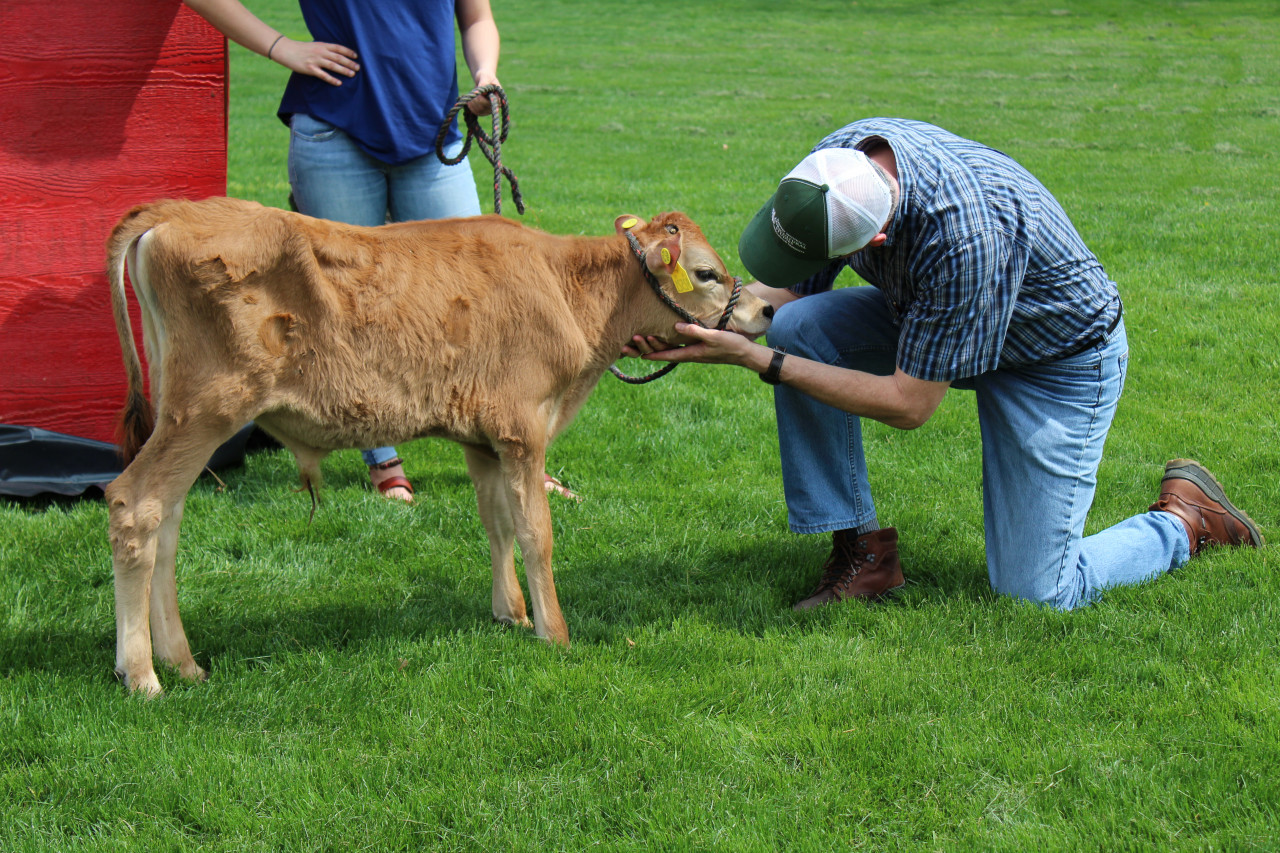
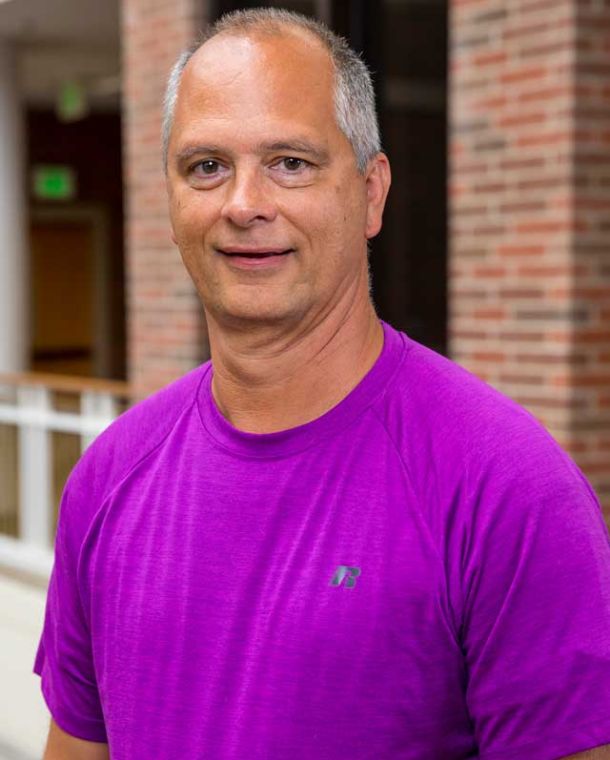
Always be willing to discard old ideas that have been shown not to be true. It is too easy to hold on to what you have learned when more recent research suggests something else is more likely to be true.
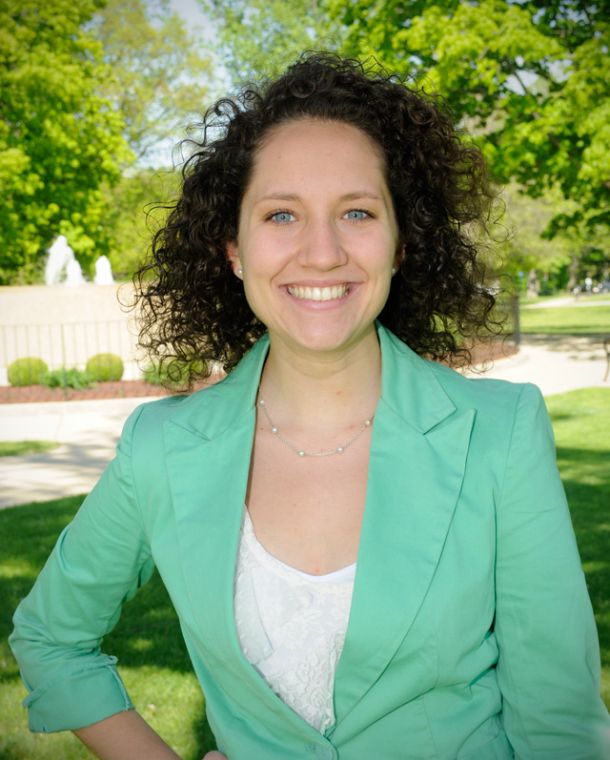
One of the most impactful things I did while at HU was get to know professors. From them, I learned how to analyze and challenge the world around me, how to lend a hand and live with empathy, how to advocate for what I believe in, and how to cling to the Truth, even when it isn’t found where you expect it.

HU is by far the greatest decision I have made. The biology program is very thorough and taught extremely well. I feel that I will be prepared for my future plans.
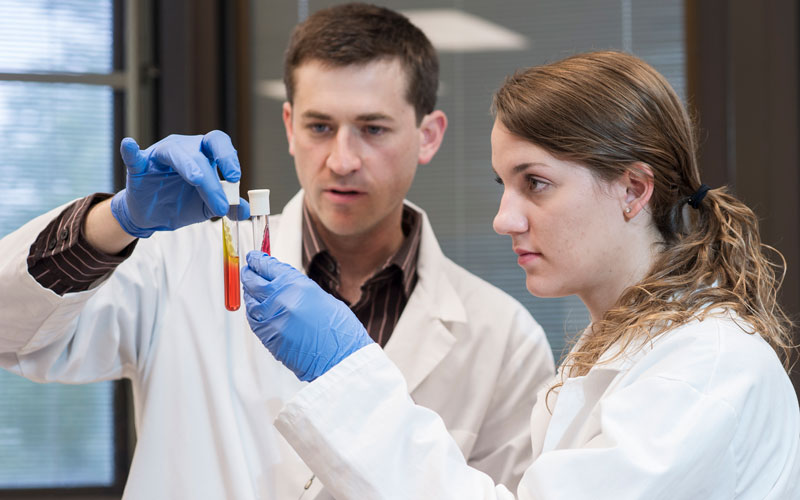
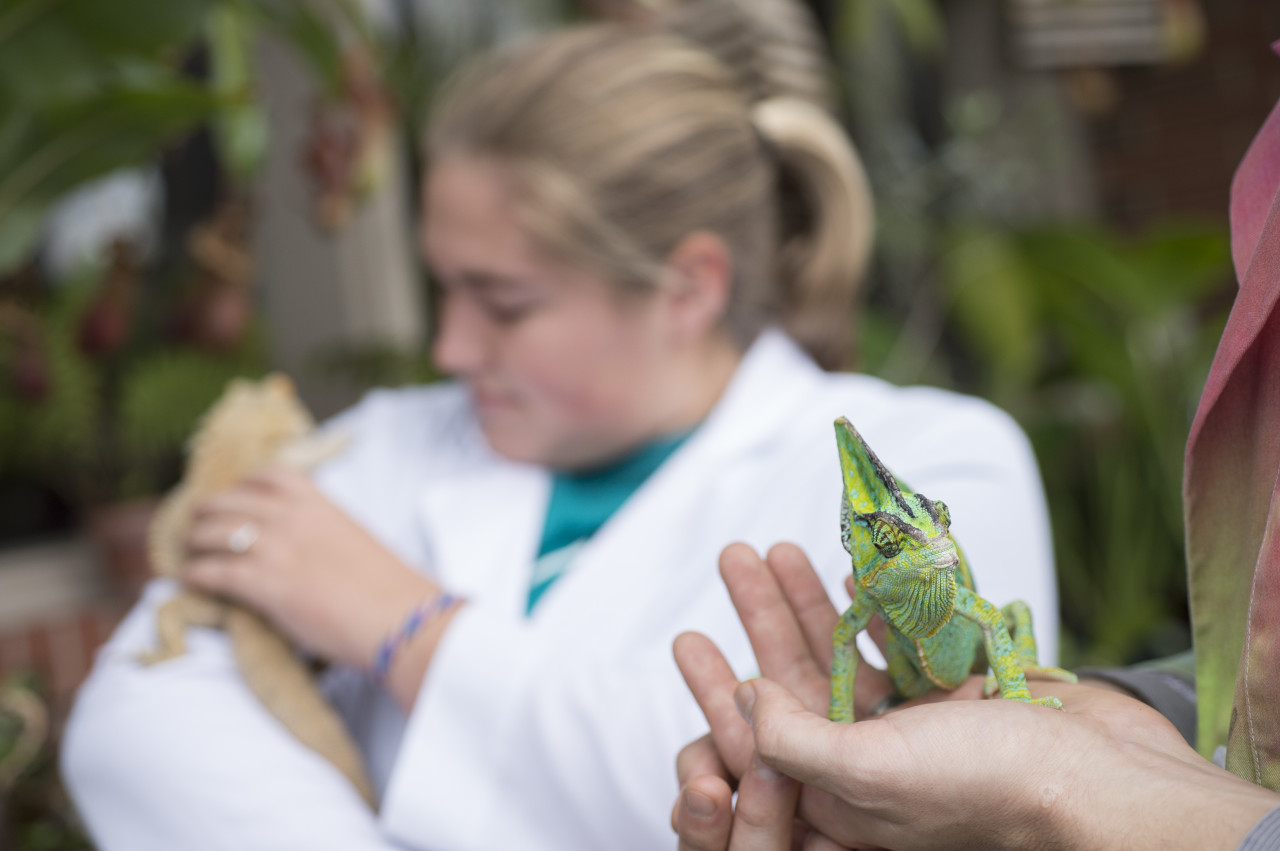
To truly breathe life into science, you need to experience what you are studying in an up-close and personal way. That’s why practical learning is built into our curriculum.
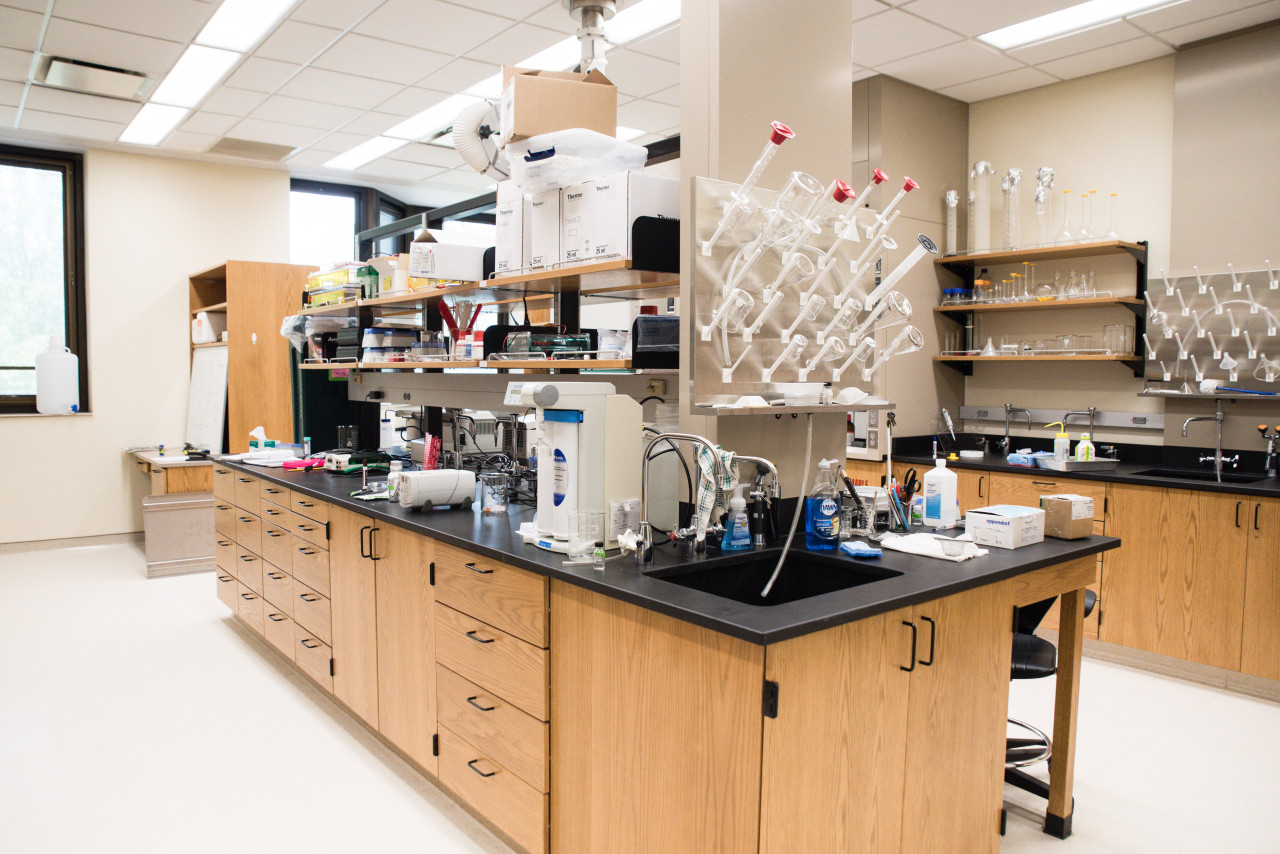
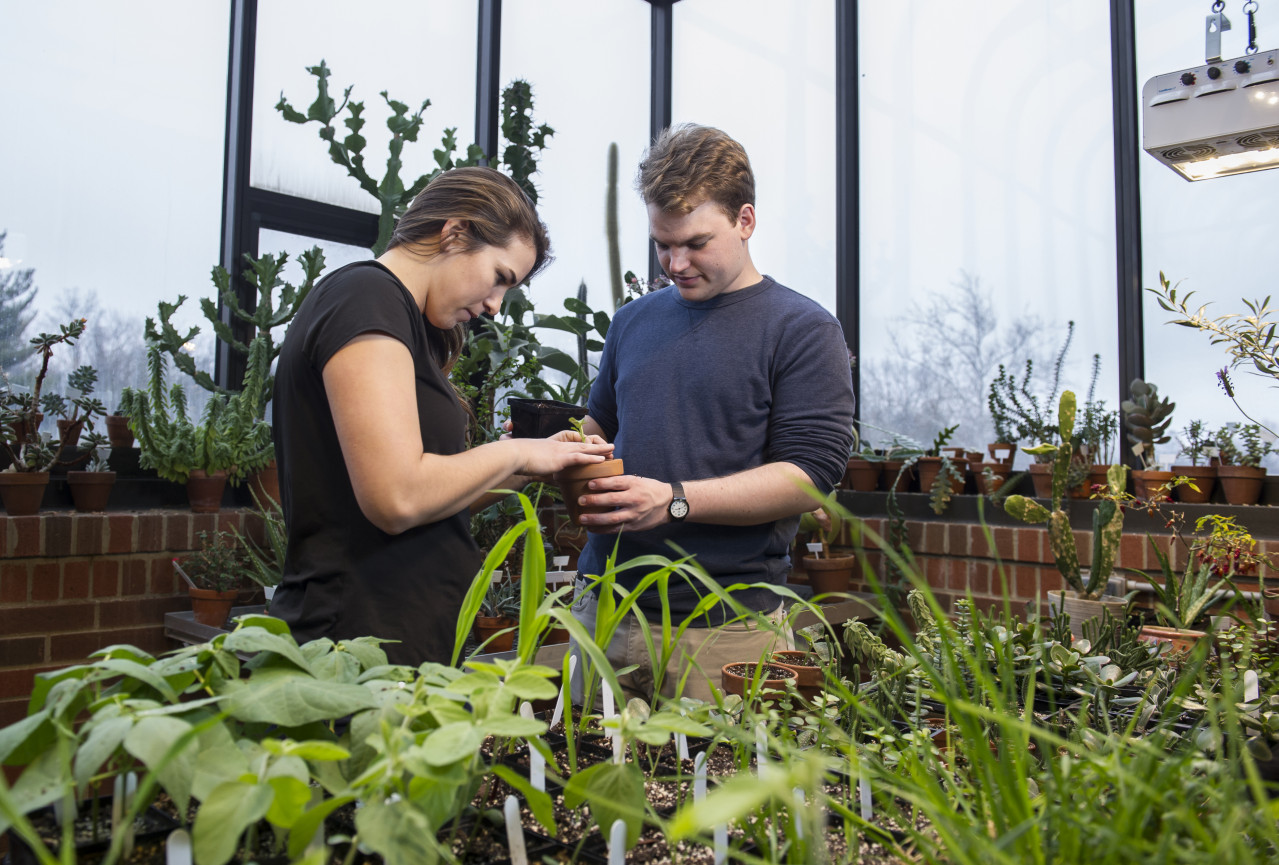
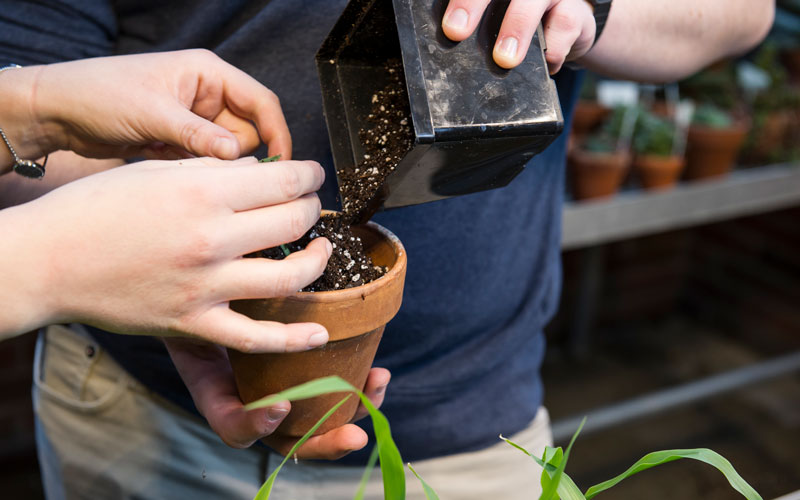
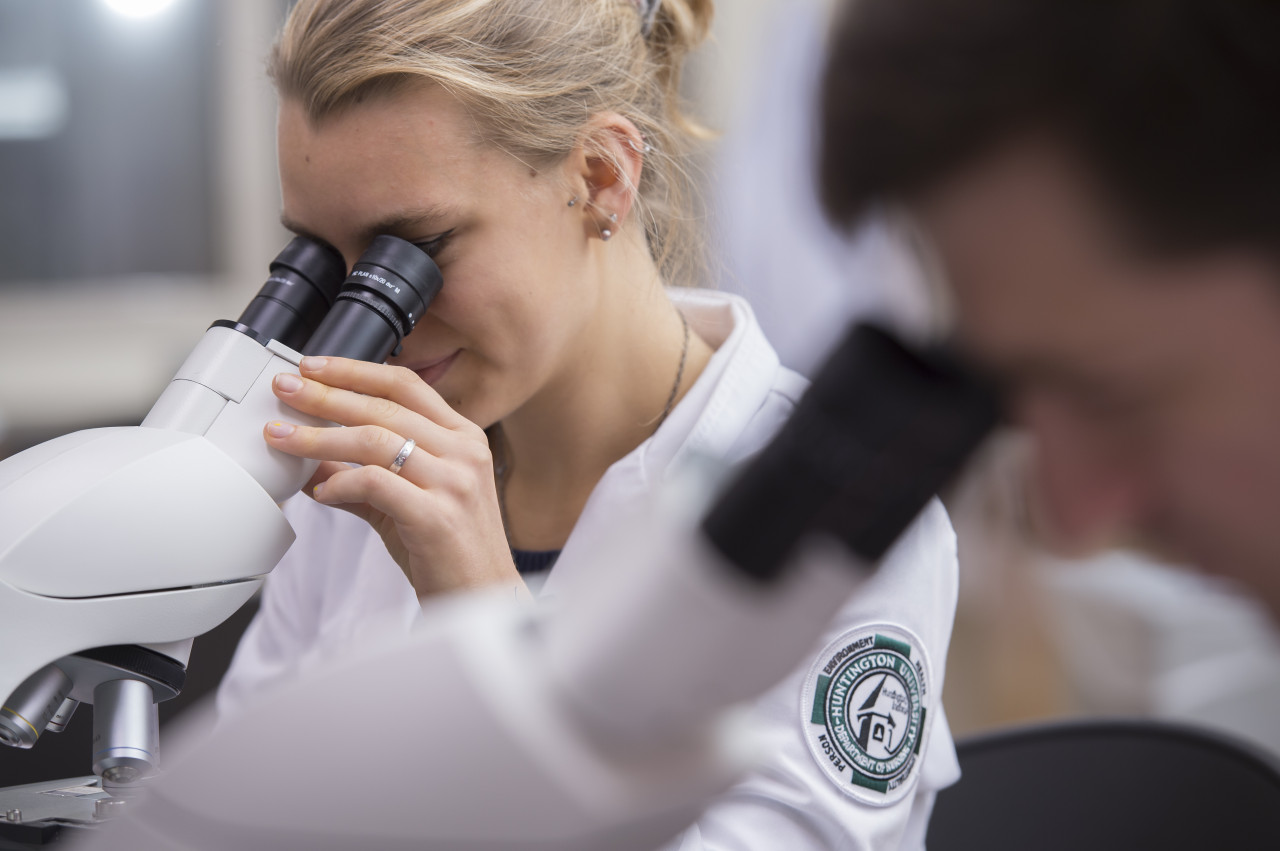
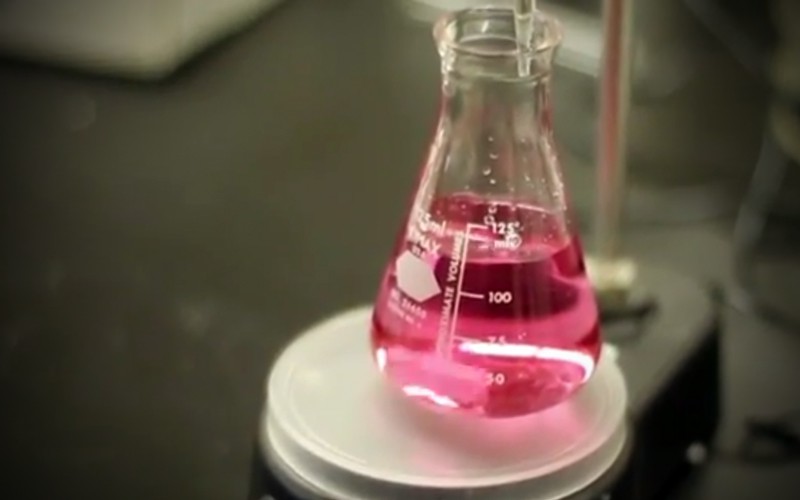
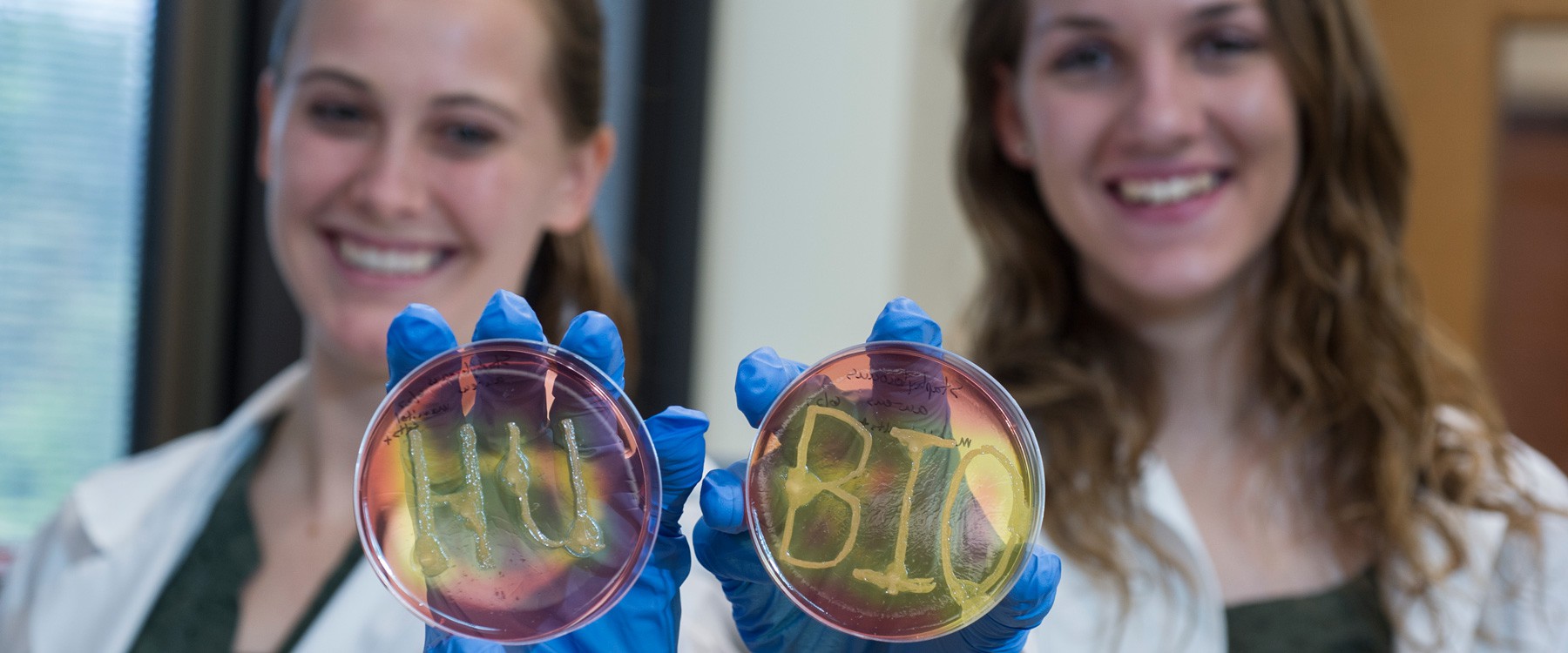
Practical learning is built into our curriculum, and state-of-the-art equipment is the standard. With amazing facilities, including two greenhouses, an Anatomage virtual dissection table, and several indoor and outdoor research and teaching labs, your courses will be packed with experiential learning to equip you for your future career.
As a result of our University’s size and dedication to excellence, you will gain direct access to competitive research and funding opportunities, including work with PhD faculty. From independent research projects, faculty-led initiatives, and research collaborations with other natural science departments, you will leave your mark on the science of life while stewarding God’s creation.
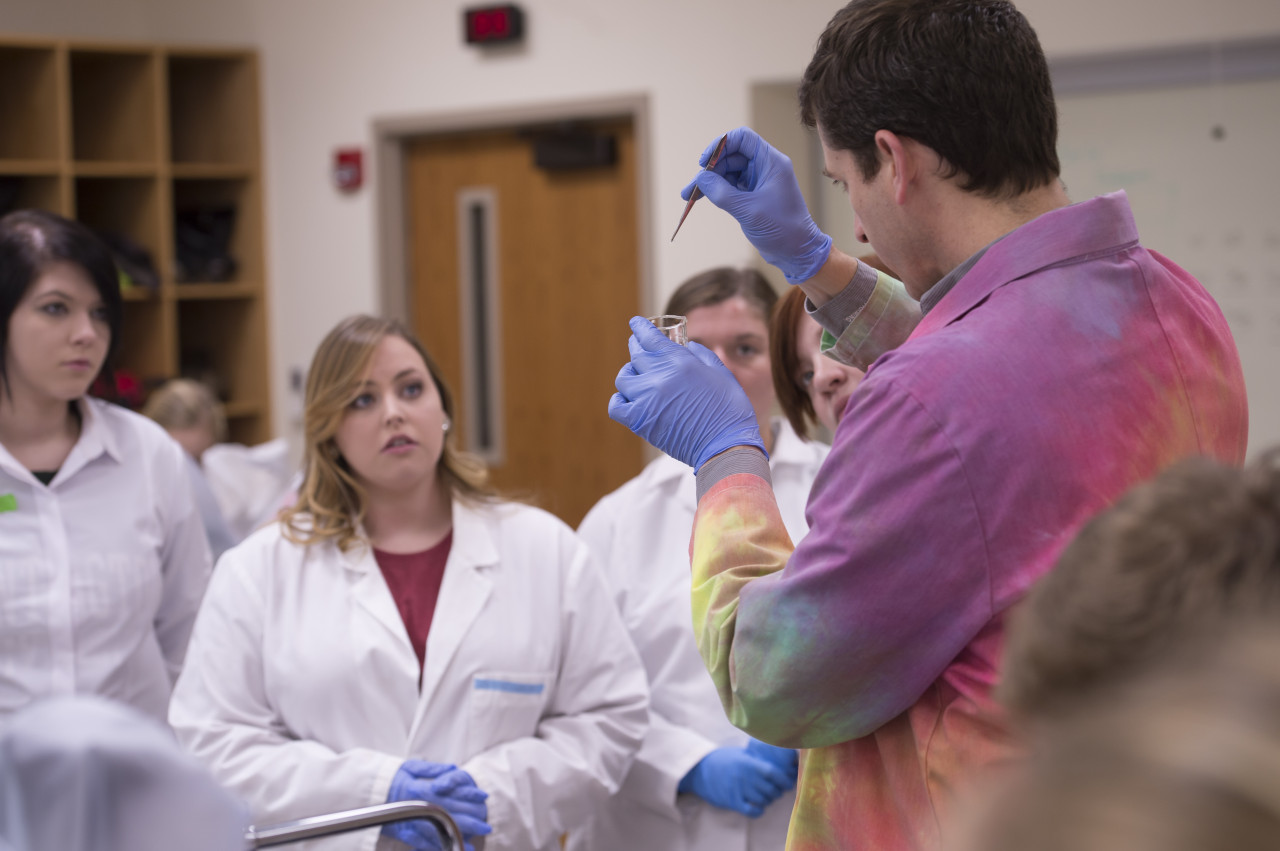
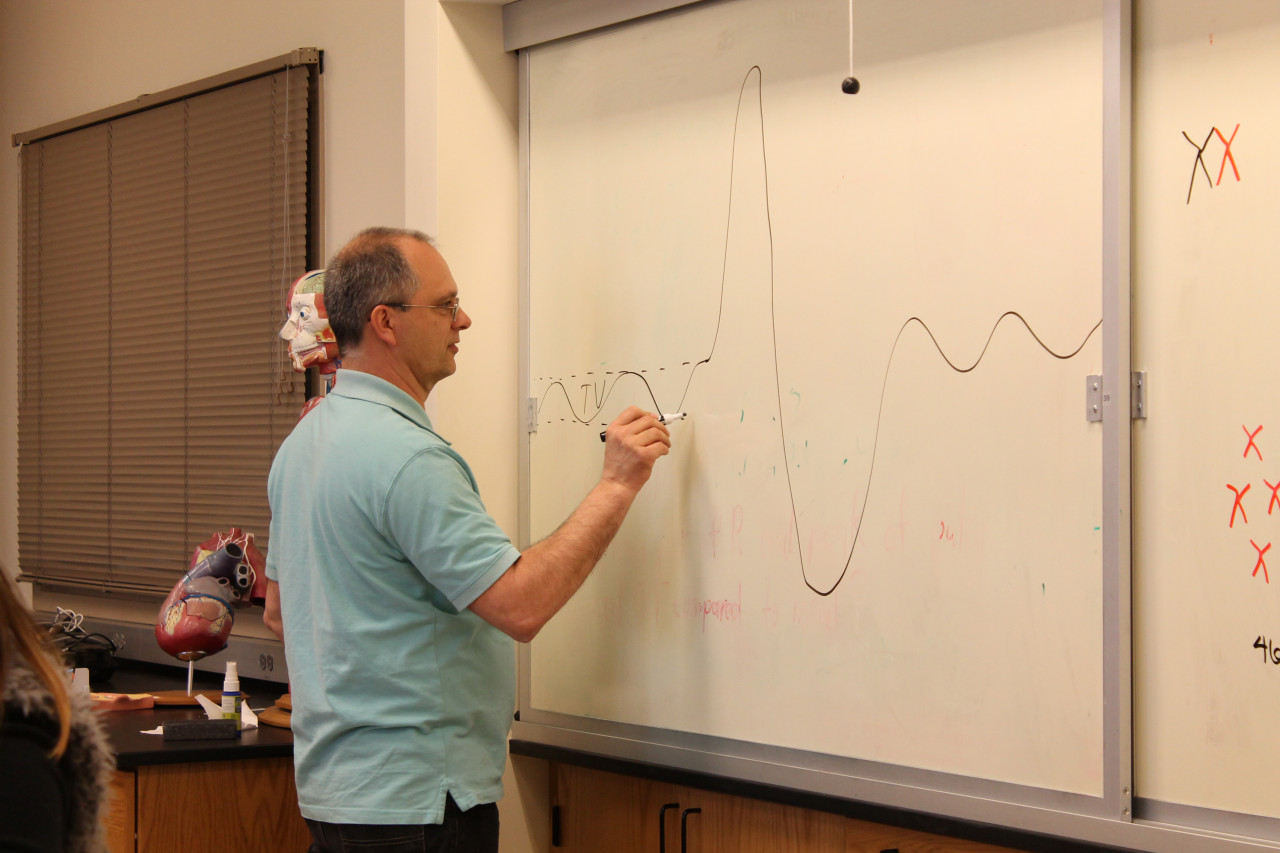
Internship opportunities at regional hospitals, research labs, and local schools, are widely available for HU students. Off-campus summer courses in environmental science or ecology are also available at the Au Sable Institute for Environmental Studies in Michigan. Experiential learning is even happening in our own backyard with class trips to forests, dams, waterways, and HU’s own nature preserve.
Why Choose HU?

Cost of Attendance
Huntington University is dedicated to providing several paths for financial assistance as you invest in your education and future. Each student’s financial aid package is unique and complements our competitive tuition. Online tools are available to help you calculate your investment.
Christ-Centered Focus
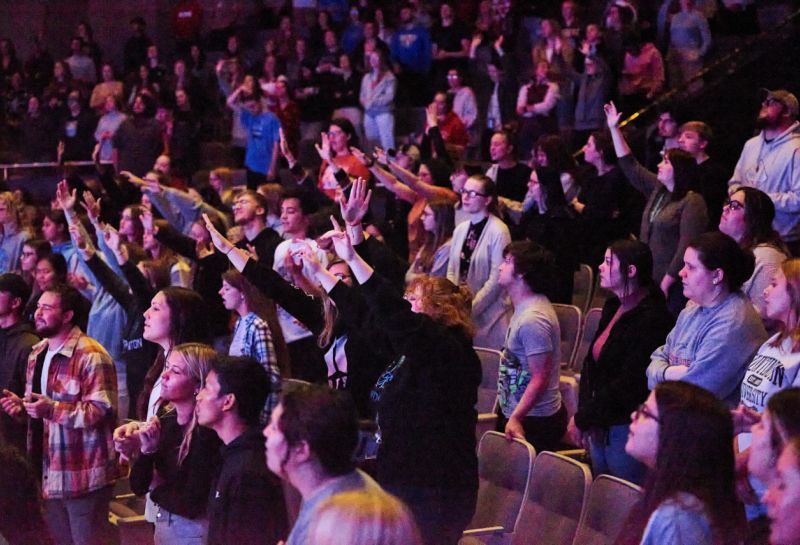
In addition to providing you with a nationally-recognized education, we aim to help you experience the cross-section between faith and education. Discover who God wants you to be alongside a close-knit, Christ-centered community. When you’re at HU, you’re home.